


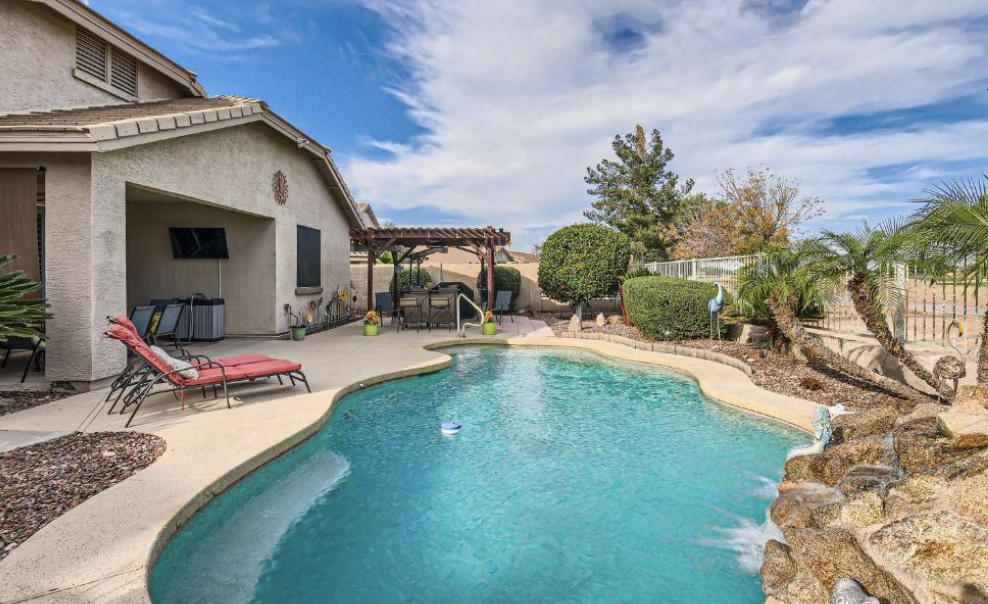
For many Phoenix homeowners, a swimming pool feels less like a luxury and more like a necessity. With temperatures regularly climbing into triple digits for months at a time, having access to a pool can dramatically improve quality of life. But before purchasing a home with a private pool or investing in building one it's worth understanding the true costs involved.
Many buyers are surprised to learn that a community pool maintained by an HOA may provide similar benefits at a fraction of the long term cost. While private pools offer convenience and privacy, they also come with ongoing expenses that can add up quickly.
The Upfront Cost of Pool Ownership in Phoenix
Installing a new pool in Phoenix can range from a significant home improvement project to a major investment, depending on size, features, and landscaping needs.
Typical costs often include:
- Excavation and construction
- Pool decking
- Safety fencing
- Electrical work
- Landscaping adjustments
- Permits and inspections
Many homeowners also add water features, heating systems, shade structures, or upgraded finishes, which can substantially increase the total investment.
Annual Pool Maintenance Expenses
Even after installation, pool ownership comes with recurring costs throughout the year.
Water Usage
Arizona's dry climate means evaporation occurs year-round. Pool owners often need to refill water regularly, especially during the hottest months.
Electricity
Pool pumps, filtration systems, and optional heating equipment can noticeably increase monthly utility bills.
Chemicals
Maintaining proper water chemistry requires regular purchases of chlorine, balancing agents, and specialty treatments.
Cleaning and Service
Some homeowners perform maintenance themselves, while others hire professional pool service companies.
Repairs
Equipment eventually wears out. Pumps, filters, lighting systems, and plumbing components may require repair or replacement over time.
Estimated Annual Cost Comparison
| Expense Category | Private Pool |
|---|---|
| Water | Moderate |
| Electricity | Moderate to High |
| Chemicals | Moderate |
| Cleaning | Moderate |
| Repairs Reserve | Moderate |
| Total Annual Commitment | Significant |
The Hidden Costs Homeowners Often Forget
Pool ownership extends beyond monthly maintenance.
Additional costs may include:
- Deck resurfacing
- Tile replacement
- Pool resurfacing every several years
- Increased insurance considerations
- Fence maintenance
- Equipment upgrades
These expenses may not occur annually but should be considered when evaluating long-term ownership.
The HOA Community Pool Alternative
Many Phoenix master-planned communities offer shared pool amenities through HOA memberships.
Benefits often include:
- Professional maintenance
- No repair responsibility
- No cleaning requirements
- Predictable monthly costs
- Additional amenities such as fitness centers and clubhouses
While HOA fees vary, homeowners typically share maintenance costs with hundreds of other residents.
Privacy vs Cost
A private pool offers:
- Exclusive access
- No crowds
- Flexible hours
- Backyard entertainment opportunities
A community pool offers:
- Lower financial commitment
- Reduced maintenance responsibilities
- Professional upkeep
- Access to resort-style facilities
The decision often comes down to whether convenience and privacy justify the additional expenses.
Which Option Makes More Sense for Phoenix Homeowners?
Private pools may make sense for families who swim frequently, entertain guests regularly, or value having immediate backyard access.
Community pools may be the better option for homeowners seeking lower maintenance responsibilities and more predictable expenses.
For many Phoenix residents, the ideal choice depends on lifestyle, budget, and how often the pool will actually be used throughout the year.
FAQs
How much does it cost to maintain a pool in Phoenix each year?
Most homeowners should expect ongoing expenses for water, electricity, chemicals, cleaning, and future repairs.
Is it cheaper to use an HOA pool than own a pool?
In many situations, yes. Shared maintenance costs often make community pools more affordable.
Does a pool increase home value in Phoenix?
Pools can improve desirability in certain neighborhoods, though the increase varies by market conditions and buyer preferences.
How often do pools need resurfacing?
Most pools eventually require resurfacing after years of use, depending on materials and maintenance.
Are heated pools worth it in Phoenix?
Some homeowners enjoy extending their swim season, though heating increases operating costs.
What is the biggest ongoing pool expense?
For many homeowners, repairs and equipment replacement become the most significant long-term costs.
Check out this article next