


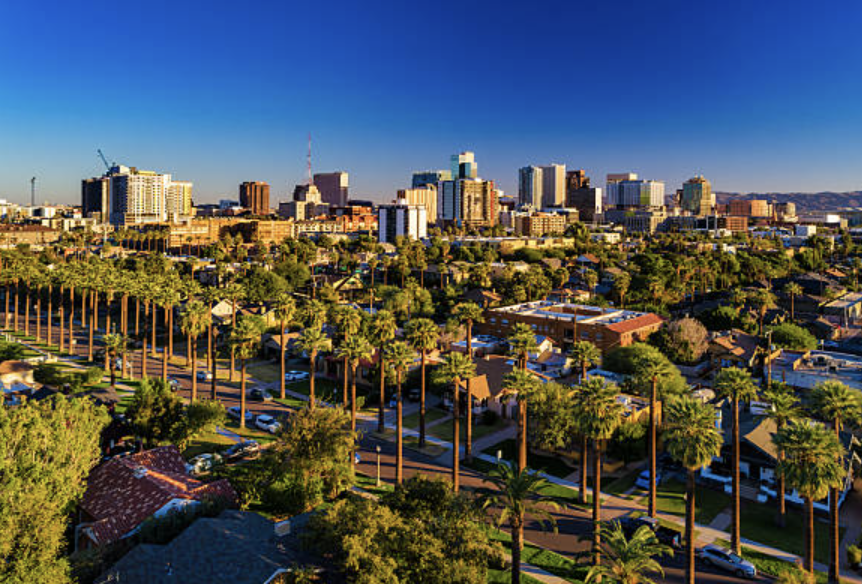
Phoenix continues attracting thousands of new residents every year, making it one of the fastest-growing metropolitan areas in the United States. People relocate here for many reasons, including sunshine, job opportunities, lower taxes, newer housing communities, and a cost of living that is often more affordable than major California markets.
However, moving to Phoenix is different than moving to many other cities. The Valley is large, diverse, and constantly growing. What works well for one family may not be the right fit for another. While most people are thrilled with their decision to move to Arizona, there are a few common mistakes that newcomers often make during the relocation process.
Understanding these challenges before you move can help you avoid costly mistakes and make your transition much smoother.
1. Choosing a Home Before Understanding the Valley
One of the most common mistakes buyers make is assuming Phoenix functions like a single city. In reality, the Phoenix metropolitan area is made up of dozens of unique communities, each offering a different lifestyle, housing market, school district, and commute experience.
For example, Scottsdale offers luxury communities, golf courses, and upscale amenities. Gilbert and Chandler are known for family-friendly neighborhoods and strong employment centers. Queen Creek provides more space and newer developments, while Peoria and Surprise continue attracting buyers looking for affordability and growing communities.
Many out-of-state buyers begin searching online and focus primarily on home photos and pricing. While those factors are important, choosing the right location is often even more critical than choosing the right house. A beautiful home in the wrong area can quickly become frustrating if it doesn't match your daily needs.
Before making an offer, spend time exploring different parts of the Valley. Visit restaurants, shopping centers, parks, and neighborhoods at different times of the day. Understanding how each area feels can help ensure you choose a community you'll love long after moving day.
2. Underestimating Commute Times
One of the biggest surprises for newcomers is how large the Phoenix metro area actually is. While everything may look relatively close on a map, commute times can vary dramatically depending on where you live and work.
Someone purchasing a home in Queen Creek while working in North Phoenix may discover that their daily commute is significantly longer than expected. Likewise, buyers relocating from smaller cities often underestimate how much traffic can build during peak hours on major freeways throughout the Valley.
As Phoenix continues growing, transportation patterns are changing. New residents should consider not only current commute times but also future growth in the areas they are considering. What feels manageable today may become more congested over the next several years.
Many experienced local agents recommend driving potential commute routes during actual rush-hour periods before buying a home. A slightly smaller house located closer to work may provide a better quality of life than a larger home located much farther away.
Choosing the right balance between home size, affordability, and location is one of the most important decisions buyers make when relocating to Phoenix.
3. Ignoring Summer Utility Costs
Most people moving to Phoenix understand that summers are hot. What many don't realize is how much air conditioning becomes part of daily life.
During the hottest months of the year, temperatures regularly exceed 100 degrees and often climb well above 110 degrees. Because of this, air conditioning systems work hard throughout the summer to keep homes comfortable.
While many buyers focus on mortgage payments, property taxes, and insurance costs, utility expenses are sometimes overlooked during the budgeting process. Larger homes, older homes, and properties with inefficient HVAC systems can result in noticeably higher summer electric bills.
Fortunately, many newer Arizona homes are built with energy efficiency in mind. Features such as dual-pane windows, upgraded insulation, smart thermostats, and modern HVAC systems can help reduce monthly costs.
When shopping for a home, it's worth asking about average utility expenses and the age of major systems. Understanding these costs upfront can help avoid surprises after moving in.
4. Waiting Too Long to Learn About Monsoon Season
Many newcomers assume Phoenix weather is sunny and predictable year-round. While sunshine is certainly one of Arizona's biggest attractions, summer also brings monsoon season.
Typically occurring between June and September, monsoon season can produce sudden dust storms, strong winds, lightning, and heavy rainfall. These storms often develop quickly and can significantly impact visibility and driving conditions.
For people who have never experienced desert weather, the first major dust storm can be surprising. Local residents learn to monitor weather alerts and adjust plans when storms approach.
Monsoons also provide benefits. They help cool temperatures, bring much-needed moisture to the desert, and create some of the most beautiful sunsets Arizona has to offer.
Understanding monsoon season before moving helps newcomers feel more prepared and confident during their first Phoenix summer.
5. Not Prioritizing Shade and Outdoor Features
Many buyers moving from other states focus heavily on interior features when purchasing a home. In Phoenix, outdoor features deserve just as much attention.
Because residents enjoy spending significant time outside during much of the year, amenities like covered patios, pergolas, pools, outdoor kitchens, and mature landscaping can dramatically improve quality of life.
Shade becomes especially valuable during warmer months. Homes with thoughtfully designed outdoor spaces often provide more comfortable environments for entertaining, relaxing, and enjoying Arizona's climate.
Many homeowners discover that outdoor living areas become extensions of their homes during the fall, winter, and spring months. As a result, properties with strong outdoor features often remain highly desirable in the resale market as well.
When comparing homes, don't overlook the backyard. It may become one of your favorite parts of the property.
6. Assuming Every Neighborhood Is the Same
Another mistake many buyers make is believing that communities throughout the Valley are largely interchangeable. In reality, neighborhoods can vary significantly from one area to another.
HOA rules, school districts, property tax rates, future development plans, community amenities, and home values can all differ depending on location.
For example, one community may offer extensive walking trails, community pools, and neighborhood events, while another may focus more heavily on privacy and larger lot sizes.
Researching neighborhoods carefully helps buyers understand what daily life will actually look like after moving in. It also helps ensure that future expectations align with reality.
Spending time in a neighborhood before purchasing can often reveal details that aren't obvious in online listings or property descriptions.
7. Forgetting Why Everyone Loves Phoenix
After hearing about summer heat, traffic, and growth, it's easy to lose sight of why so many people continue moving to Phoenix every year.
The reality is that Phoenix offers an exceptional lifestyle for many residents. Mild winters, abundant sunshine, outdoor recreation, professional sports, golf courses, dining, and a strong economy all contribute to the area's popularity.
From October through April, many residents spend their weekends hiking, biking, golfing, and enjoying outdoor events that would be impossible in colder climates during the same time of year.
For most people who relocate to Arizona, the benefits far outweigh the challenges. Understanding both the opportunities and realities of life in Phoenix helps newcomers make informed decisions and enjoy everything the Valley has to offer.
Frequently Asked Questions About Moving to Phoenix
Is Phoenix a good place to live in 2026?
Phoenix remains one of the fastest-growing metro areas in the country thanks to its strong job market, year-round sunshine, and relatively affordable housing compared to many California cities.
What is the best area of Phoenix for families?
Gilbert, Chandler, Queen Creek, Peoria, and Surprise continue to attract families due to their schools, parks, newer homes, and community amenities.
How hot does Phoenix get in the summer?
Summer temperatures regularly exceed 100 degrees, with many days reaching 110 degrees or higher during June, July, and August.
Is Phoenix more affordable than California?
For many buyers, yes. Housing costs, taxes, and daily living expenses are often lower than comparable California markets.
Are home prices still rising in Phoenix?
Market conditions vary, but Phoenix continues benefiting from population growth, job creation, and long-term housing demand.
What should I know before buying a home in Phoenix?
Pay attention to commute times, utility costs, neighborhood amenities, HOA regulations, and future development plans.
Why are so many people moving to Phoenix?
Many buyers are attracted by affordability, sunshine, economic opportunities, and a high quality of life.
Is Phoenix a good place to retire?
Yes. Many retirees choose Phoenix for its warm climate, outdoor recreation, healthcare access, and active lifestyle options.
Check out this article next