

If you're moving to Phoenix from places like California, the Midwest, or the East Coast, you've probably heard people talk about Arizona's famous monsoon season. If you're picturing days of nonstop rain like you might see in Florida or the Pacific Northwest, think again.
Arizona's monsoon season is unlike anything most newcomers have experienced. One minute the sky is bright blue, and the next, powerful winds, blowing dust, heavy rain, and spectacular lightning can roll through the Valley. While these storms usually don't last long, they can be intense and catch first-time residents off guard.
The good news? A little preparation goes a long way. Here's what every new Phoenix homeowner should know before their first monsoon season.
What Is Monsoon Season?
Arizona's monsoon season officially runs from June 15 through September 30, although the most active storms typically arrive in July and August.
Unlike other parts of the country where storms can linger for hours or even days, monsoon storms often build quickly during the afternoon or evening. They may bring:
- Strong winds exceeding 50 mph
- Heavy rain in a short amount of time
- Frequent lightning
- Dust storms (called haboobs)
- Flash flooding in low-lying areas
Not every neighborhood experiences every storm the same way. One side of the Valley may receive heavy rain while another stays completely dry.
Inspect Your Roof Before Storm Season Arrives
Your roof is your home's first line of defense during monsoon season.
Many homes in Phoenix feature tile roofs, which are durable but still require routine maintenance. While the tiles themselves often last for decades, the waterproof underlayment underneath eventually wears out from years of intense Arizona sun.
Before monsoon season begins:
- Look for cracked or missing roof tiles.
- Have older roofs professionally inspected.
- Clean debris from roof valleys.
- Repair loose flashing around chimneys and vents.
Taking care of small issues early can prevent expensive water damage later.
Clean Your Gutters and Drainage Areas
Although Phoenix doesn't receive much annual rainfall, monsoon storms can dump a surprising amount of water in a very short period.
Leaves, dirt, and debris can clog gutters and downspouts, causing water to overflow onto your roof or pool around your home's foundation.
Before summer storms arrive:
- Clean gutters thoroughly.
- Check that downspouts direct water away from your home.
- Remove debris around outdoor drains.
- Make sure your yard slopes away from your foundation.
Proper drainage helps protect both your home and landscaping.
Prepare Your Yard for High Winds
Monsoon winds often cause more damage than the rain itself.
Loose patio furniture, umbrellas, potted plants, trampolines, and lightweight decorations can quickly become airborne during strong wind gusts.
Before storms develop:
- Secure patio furniture.
- Store umbrellas when not in use.
- Trim dead tree branches.
- Remove loose yard items.
- Check fencing for weak posts or damaged panels.
A few minutes of preparation can prevent costly repairs.
Protect Your Vehicle
If possible, park your vehicle inside a garage or under covered parking during storm season.
High winds can carry dust, gravel, and tree branches that may damage vehicles. Heavy rain combined with blowing debris can also reduce visibility while driving.
If severe weather is approaching:
- Move your vehicle into covered parking.
- Avoid parking under large trees.
- Keep windshield wipers in good condition.
- Maintain proper tire pressure.
Your car will thank you.
Know How to Drive During a Monsoon
Driving during an Arizona monsoon is very different from driving in a typical rainstorm.
Heavy rain can create flash flooding within minutes, especially in washes and low-water crossings.
Remember these safety tips:
- Slow down immediately when rain begins.
- Turn on your headlights.
- Increase your following distance.
- Never drive through flooded roads.
- Pull over safely if visibility becomes too poor.
Arizona's slogan, "Turn Around, Don't Drown," exists for a reason. Even shallow floodwaters can sweep vehicles away.
Don't Be Surprised by a Haboob
One of Arizona's most unique weather events is the haboob—a massive wall of dust pushed ahead of a thunderstorm.
Visibility can quickly drop to near zero.
If you're driving when a haboob approaches:
- Exit the freeway if possible.
- Pull completely off the roadway.
- Turn off your lights.
- Set your parking brake.
- Wait until visibility improves before continuing.
These storms often pass within 20 to 30 minutes.
Protect Outdoor Equipment
Pool equipment, outdoor grills, shade sails, and patio furniture can all be affected by severe weather.
Before storms arrive:
- Secure grill covers.
- Roll up shade screens if recommended by the manufacturer.
- Protect outdoor electronics.
- Remove lightweight decorations.
- Store pool toys and cushions indoors.
Small preparations help extend the life of your outdoor investments.
Keep an Emergency Kit Ready
While power outages aren't common, strong storms occasionally cause temporary interruptions.
Every homeowner should have a basic emergency kit that includes:
- Flashlights
- Extra batteries
- Bottled water
- Portable phone chargers
- First aid supplies
- Battery-powered weather radio
- Basic medications
Being prepared offers peace of mind during unexpected weather.
Check Your Homeowner's Insurance
Before monsoon season begins, review your homeowner's insurance policy.
Understand what your policy covers for:
- Wind damage
- Roof repairs
- Water intrusion
- Fallen trees
- Detached structures
If you're unsure about your coverage, it's a good time to speak with your insurance agent before storm season arrives.
The Bright Side of Monsoon Season
While monsoons can seem intimidating at first, many longtime Arizona residents actually look forward to them.
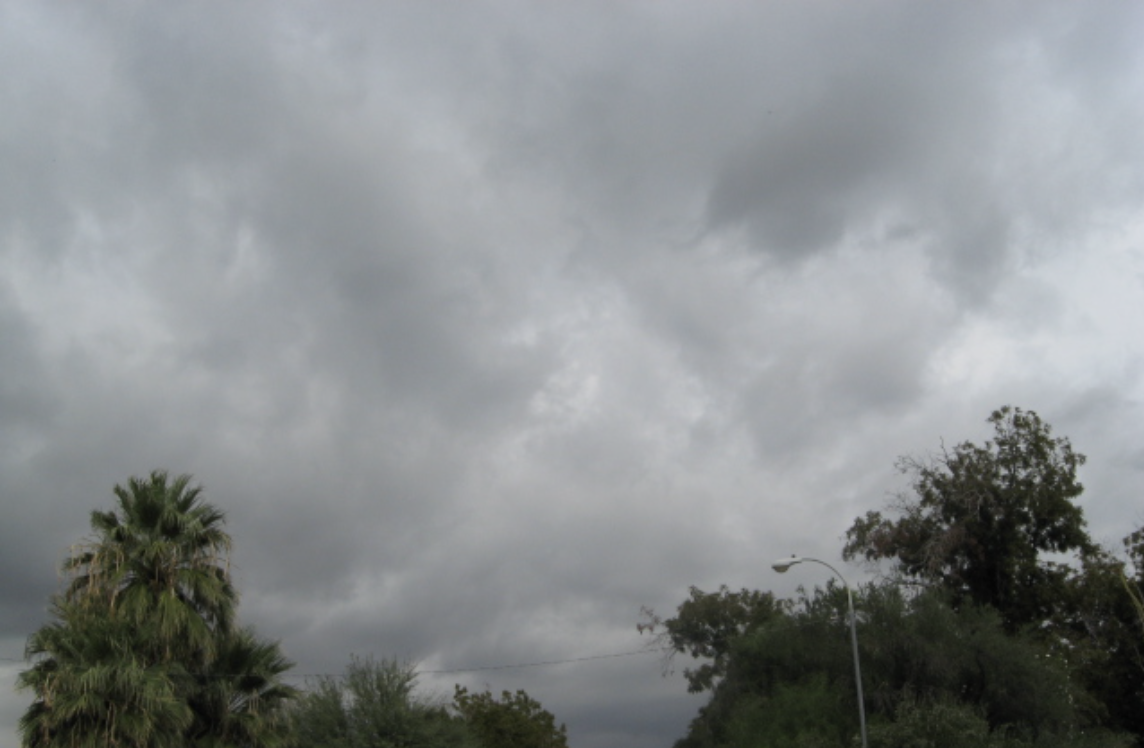
The dramatic clouds, brilliant lightning displays, cooler evening temperatures, and incredible desert sunsets make monsoon season one of the most beautiful times of the year.
After a summer storm, you'll often notice the desert smells fresh, the temperatures drop, and the sunsets become even more vibrant.
It's one of the unique experiences that makes living in Arizona so memorable.
Final Thoughts
Moving to Phoenix means adapting to a climate that's unlike almost anywhere else in the country, and monsoon season is part of that experience. Fortunately, preparing for these seasonal storms isn't difficult. A little preventative maintenance, a basic emergency plan, and an understanding of how quickly weather can change will help you protect your home and stay safe.
Before long, you'll find yourself watching the towering storm clouds roll across the desert with the same excitement as longtime locals. Monsoon season is more than just weather—it's one of the defining features of life in Arizona, and with the right preparation, it's something you can appreciate rather than fear.
Frequently Asked Questions
When is monsoon season in Phoenix, Arizona?
Arizona's monsoon season officially runs from June 15 through September 30, with the most active storms typically occurring during July and August. Storms often develop in the late afternoon or evening and can bring strong winds, heavy rain, lightning, and dust storms.
What is a haboob?
A haboob is a large, fast-moving wall of dust that forms ahead of a thunderstorm. These dust storms can reduce visibility to near zero in just minutes. If you're driving, pull safely off the road, turn off your lights, and wait until the dust passes before continuing.
Should I inspect my roof before monsoon season?
Yes. Your roof is your home's first line of defense against monsoon storms. Have it inspected for cracked tiles, damaged shingles, worn underlayment, or loose flashing before the season begins. Preventative maintenance can help you avoid costly repairs later.
Is flooding common in Phoenix?
While Phoenix doesn't receive much annual rainfall, monsoon storms can produce heavy rain in a short period, leading to flash flooding in washes, intersections, and low-lying roads. Never drive through standing or moving water, even if it appears shallow.
How can I prepare my home for monsoon season?
Simple preparations include:
Cleaning gutters and drains
Trimming trees and removing dead branches
Securing patio furniture and umbrellas
Checking your roof for damage
Reviewing your homeowner's insurance coverage
Keeping an emergency kit with flashlights, batteries, water, and first-aid supplies
What should I keep in my car during monsoon season?
It's a good idea to carry bottled water, a phone charger, flashlight, first-aid kit, jumper cables, and an emergency blanket. Also, make sure your windshield wipers and tires are in good condition before storm season begins.
Does homeowner's insurance cover monsoon damage?
Most homeowner's insurance policies cover wind damage, but coverage for water damage can vary depending on how the damage occurred. Review your policy annually and talk with your insurance agent so you understand what's covered before monsoon season arrives.
Are monsoons dangerous for new residents?
Monsoons can be intimidating if you've never experienced them, but with a little preparation and awareness, they're generally easy to navigate. Knowing how to drive safely, protect your home, and stay informed about weather conditions will help you enjoy one of Arizona's most unique seasons.
Check out this article next