

If you're planning on moving to Phoenix, you've probably already looked at home prices, mortgage rates, and maybe even Arizona's relatively low property taxes. But what many buyers don't realize is that the purchase price is only part of the equation.
Every year, thousands of families relocate to the Valley expecting a lower cost of living than California, Washington, or Colorado. While that's often true, many are surprised by the extra monthly expenses that don't show up on a mortgage calculator.
Before you buy a home in Phoenix, here are the hidden costs you should understand.
1. Summer Electric Bills Can Shock New Residents
Arizona summers aren't just hot—they're relentless.
From June through September, daily highs regularly exceed 110°F, and your air conditioner may run almost nonstop. Depending on your home's size, insulation, and age, summer electric bills can climb dramatically.
Newer, energy-efficient homes generally cost less to cool than older properties, making construction year and energy features an important part of your buying decision.
How to Reduce Energy Costs
- Buy a newer energy-efficient home.
- Look for dual-pane windows and quality insulation.
- Install programmable thermostats.
- Consider homes with solar panels if the numbers make financial sense.
2. HOA Fees Add Up Faster Than Buyers Expect
Many of Phoenix's most desirable communities are governed by homeowners associations.
These neighborhoods often include parks, pools, walking trails, and beautifully maintained common areas—but those amenities come with monthly or quarterly HOA fees.
Luxury communities and master-planned developments typically charge more than established neighborhoods.
Before writing an offer, ask for:
- Monthly HOA dues
- Community rules
- Planned assessments
- Reserve fund information
3. New Construction Communities May Have Additional Taxes
Many buyers assume Arizona has low property taxes across the board.
While that's generally true, newer master-planned communities may include additional assessments that help fund roads, utilities, and infrastructure.
These extra costs can significantly increase your monthly payment depending on the neighborhood.
Understanding the total tax bill—not just the advertised home price—is essential when comparing communities.
4. Homeowners Insurance Costs Are Rising
Insurance premiums have increased across Arizona in recent years due to higher construction costs and more expensive replacement values.
Your premium can vary depending on:
- Home age
- Roof condition
- Square footage
- Pool ownership
- Previous insurance claims
- Location
Always request insurance quotes before your inspection period ends.
5. Water Bills Can Be Higher Than Expected
Phoenix is located in the Sonoran Desert, where water conservation is a way of life.
Large grass lawns, mature landscaping, pools, and irrigation systems all increase monthly water usage.
Homes with desert landscaping often have much lower maintenance and utility costs than traditional lawns.
6. Commuting Costs Are Easy to Underestimate
Phoenix is one of the largest metropolitan areas in the country.
While traffic isn't as intense as Los Angeles, daily commutes can still take much longer than newcomers expect.
Living farther from your workplace may save money on the purchase price but can increase:
- Fuel expenses
- Vehicle maintenance
- Tire wear
- Time spent commuting
Sometimes buying closer to work can save thousands of dollars over several years.
7. Pool Maintenance Is an Ongoing Expense
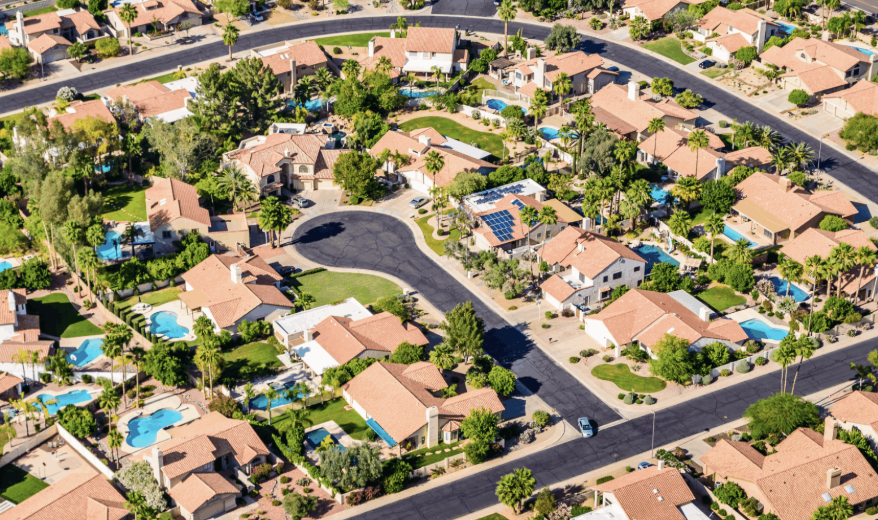
Pools are incredibly popular in Phoenix, but they aren't free to maintain.
Typical costs may include:
- Weekly cleaning
- Chemicals
- Equipment repairs
- Higher electric usage
- Increased water consumption
Many buyers focus on the backyard lifestyle without budgeting for the ongoing maintenance.
8. Landscaping Requires Regular Maintenance
Desert landscaping is generally lower maintenance than grass, but it's not maintenance-free.
Homeowners should budget for:
- Tree trimming
- Weed control
- Gravel replacement
- Irrigation repairs
- Seasonal plant care
If you choose a home with natural grass, monthly landscaping costs will usually be higher.
9. Closing Costs and Moving Expenses
Many buyers focus exclusively on the down payment.
However, relocating also includes expenses such as:
- Home inspections
- Appraisal fees
- Escrow costs
- Utility deposits
- Moving trucks
- Furniture
- Window coverings
- Appliances for new construction homes
Planning for these upfront expenses helps reduce financial stress after closing.
Is Phoenix Still Affordable?
Despite these hidden costs, Phoenix remains one of the most attractive relocation markets in the Southwest.
Compared with many West Coast cities, buyers often enjoy:
- Larger homes
- Newer construction
- Lower overall housing costs
- More outdoor recreation
- Strong job growth
- A lower overall cost of ownership in many areas
The key is understanding your full monthly budget before choosing a neighborhood.
Final Thoughts
Moving to Phoenix can be an excellent financial decision—but only if you understand the complete picture.
The best buyers don't just compare home prices. They compare monthly ownership costs, neighborhood fees, commute times, and long-term lifestyle expenses.
Working with a knowledgeable local real estate team can help you evaluate every cost before you sign a contract, ensuring there are no surprises after move-in day.
Frequently Asked Questions
What is the average electric bill in Phoenix during the summer?
Summer electric bills vary based on home size, age, and energy efficiency, but cooling costs are often the largest utility expense for homeowners between June and September.
Do all Phoenix neighborhoods have HOA fees?
No. Many established neighborhoods have no HOA, while most newer master-planned communities include mandatory HOA dues.
Are property taxes high in Phoenix?
Arizona generally has lower property taxes than many states, but some new communities include additional assessments that increase the overall tax bill.
Is owning a pool expensive in Phoenix?
Pool ownership includes regular cleaning, chemicals, equipment maintenance, water use, and additional electricity costs, so it's important to budget for ongoing care.
Is Phoenix still cheaper than California?
For many buyers, yes. While housing and living costs have risen, Phoenix remains more affordable than many major California metropolitan areas.
What should I budget for besides my mortgage?
Consider utilities, HOA fees, insurance, property taxes, maintenance, commuting costs, and moving expenses when calculating your total monthly housing budget.
Check out this article next