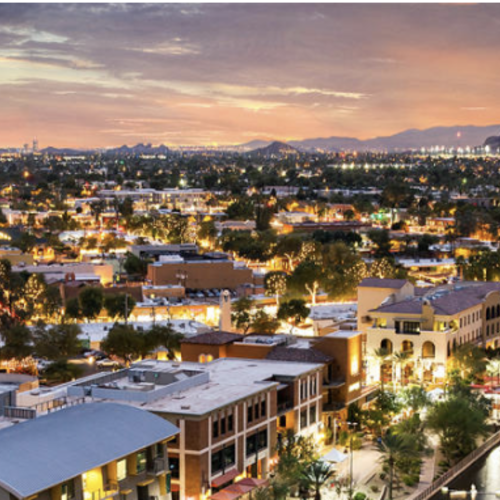


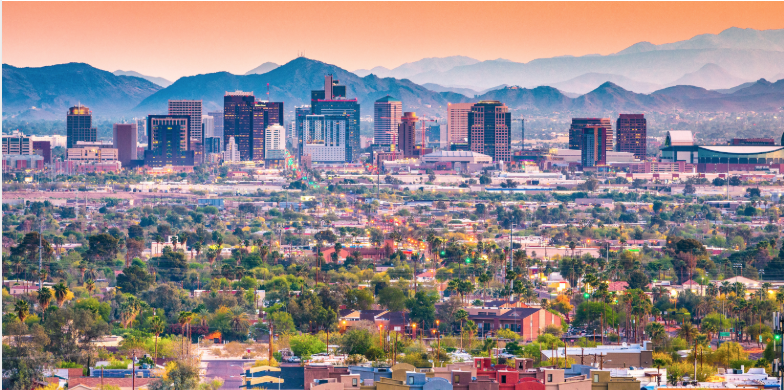
Sunshine, desert mountains, sprawling neighborhoods, backyard pools, downtown living, and new communities seemingly stretching toward the horizon—Phoenix gives home buyers a lot to consider.
And that can be both exciting and overwhelming.
If you're moving to Phoenix and planning to buy a home, one of the first things to understand is that choosing the right property is only half the decision. Choosing the right part of Phoenix can be just as important.
Phoenix is the fifth-largest city in the United States, with the City of Phoenix estimating its population at approximately 1.7 million as of July 2024. It also has 41,000 acres of desert parks and mountain preserves and more than 200 miles of trails.
That scale means two homes with "Phoenix" in the address can offer very different daily experiences.
Here's what buyers should know before beginning their Phoenix home search.
Why Phoenix Continues to Get Home Buyers' Attention
Phoenix combines a major metropolitan area with a distinctly Southwestern setting.
Depending on where you live, a normal weekend might involve exploring downtown, heading to a restaurant, attending a sporting event, hiking in the desert, or simply enjoying your backyard.
The city's size also creates variety in its housing.
Buyers can encounter everything from older central Phoenix homes and condos to established suburban-style communities and newer construction farther from the urban core.
That variety is why a Phoenix home search shouldn't begin with a list of houses.
It should begin with a list of priorities.
Phoenix Is Bigger Than You Think
One of the easiest mistakes for someone relocating to Phoenix is looking at a map and assuming everything is relatively close.
Phoenix itself covers a large geographic area, and the broader metropolitan area includes numerous neighboring cities.
Your home might technically fit your price range and wish list while putting you farther from work, family, entertainment, or other destinations than you expected.
Before becoming attached to a property, map out the places that will be part of your normal week.
Think about:
- Your workplace
- Schools or childcare, when applicable
- Family and friends
- Shopping and everyday errands
- Restaurants and entertainment
- Outdoor recreation
- Airport access
- Healthcare providers
- Your preferred commute
A beautiful house isn't quite as appealing if you discover after moving in that your everyday routine requires more driving than you anticipated.
Start With the Lifestyle You Want
Instead of asking, "What's the best neighborhood in Phoenix?" ask a better question:
What Phoenix location works best for the way I want to live?
There is no universally "best" neighborhood for every buyer.
Someone who wants an urban environment may have very different priorities from a buyer searching for more space or easier access to desert recreation.
Price isn't the only consideration, either.
Lot size, home age, architecture, proximity to employment, community amenities, HOA requirements, walkability, and access to major roads can all influence the decision.
Creating a short list of must-haves before touring properties makes it easier to compare locations objectively.
Central Phoenix: Character, Convenience and Variety
Central Phoenix can be particularly interesting for buyers who want to remain closer to the city's urban core.
Depending on the specific location, buyers may encounter established residential areas, historic architecture, condos, townhomes, renovated properties, and newer infill development.
Central locations can also appeal to buyers who prioritize proximity to restaurants, employment centers, cultural destinations, and entertainment.
But "Central Phoenix" is still a broad description.
A few streets can make a meaningful difference in surroundings, housing stock, traffic, and overall atmosphere. Explore individual neighborhoods and blocks rather than relying solely on a broad area name.
North Phoenix and Desert View
Buyers willing to move farther north can find a very different Phoenix experience.
Northern parts of the city include established communities as well as areas influenced by newer development and the surrounding Sonoran Desert landscape.
For buyers who prioritize newer housing, access to northern employment centers, outdoor recreation, or a different pace from central Phoenix, expanding the search north may make sense.
The trade-off is distance.
Before buying, test the drive to the destinations you'll use regularly—preferably around the times you would normally travel.
Ahwatukee and the South Mountain Area
Phoenix buyers may also look south toward Ahwatukee or neighborhoods around South Mountain.
South Mountain Park/Preserve is part of Phoenix's extensive system of desert parks and preserves, which is one reason outdoor access can become a meaningful consideration when choosing where to live in the city. The City reports approximately 41,000 acres of desert parks and mountain preserves across Phoenix.
Again, buyers should compare individual properties rather than assuming an entire part of the city provides the same experience.
Your commute, preferred amenities, home style, budget, and outdoor interests can all affect whether the area works for you.
Don't Forget the Greater Phoenix Area
There's another important distinction for relocating buyers:
Phoenix and the Phoenix metropolitan area aren't the same thing.
A relocation search may also introduce you to communities outside Phoenix proper.
If you don't need a Phoenix address specifically, comparing surrounding cities can expand your options considerably.
The right choice isn't necessarily the city with the lowest-priced home or the location closest to your workplace. Think about the entire combination of housing, transportation, lifestyle, property taxes and other ownership costs, amenities, and your long-term plans.
A local real estate search can help you compare those choices property by property.
Desert Home Features That Matter More Than You Might Expect
Buying a home in the desert introduces considerations that may be unfamiliar to people moving from other parts of the country.
Air Conditioning
Phoenix heat makes the home's cooling system particularly important.
Ask about the system's age, maintenance history, and condition. Your home inspection can provide additional information, but buyers should understand what they're purchasing rather than treating the air conditioner as a minor appliance.
Windows and Energy Efficiency
Windows, insulation, orientation, shade, and other efficiency-related features can affect comfort.
When comparing two houses, don't look only at countertops and flooring. Consider how the entire home is designed and maintained for the local climate.
The Roof
Arizona sunshine doesn't mean you can ignore the roof.
Roof type, age, condition, previous repairs, and maintenance should be part of your due diligence.
Pools
A backyard pool can look very appealing during a Phoenix home tour.
Just remember that a pool also requires maintenance.
Before purchasing, understand the pool's equipment and condition and consider an appropriate inspection when needed.
Landscaping
Desert landscaping can be attractive and relatively practical, but landscaping still requires care.
Irrigation systems, mature trees, drainage, and other exterior features deserve attention during the buying process.
Don't Underestimate Your Phoenix Commute
The house isn't the only thing you're buying.
You're also choosing a location that will influence your daily routine.
A property farther from your workplace may give you additional options, but the trade-off could be additional driving.
Before submitting an offer, try the commute yourself when practical. Check the route at approximately the time you'd normally travel rather than relying on a Sunday afternoon drive.
Remote workers shouldn't automatically ignore location, either. Consider airport access, restaurants, shopping, healthcare, entertainment, and the places you'll visit outside work.
New Construction or Resale Home?
Phoenix-area buyers may encounter both new construction and resale properties.
Neither option is automatically better.
New Construction
A new home may offer contemporary layouts, newer systems, modern efficiency standards, and opportunities to select certain finishes depending on the stage of construction.
But buyers should look beyond the advertised base price.
Lot premiums, upgrades, landscaping, window coverings, appliances, HOA fees, and other expenses can affect the actual cost.
Resale Homes
Existing homes may offer established landscaping, mature neighborhoods, different architectural styles, or locations where new construction is limited.
Condition varies considerably, however.
A renovated kitchen doesn't necessarily tell you the age or condition of the roof, HVAC equipment, plumbing, electrical systems, or other major components.
Compare the complete property—not simply its age.
Phoenix Housing Is Still Evolving
Phoenix continues to address housing supply and affordability as the city grows.
The city's Housing Phoenix Plan established a goal of creating or preserving 50,000 homes by 2030. The city's current housing materials also discuss efforts involving zoning, different housing types, and placing housing near community resources and amenities.
For buyers, the larger lesson is that Phoenix isn't a static housing market.
New development, infill, infrastructure, and neighborhood changes can influence different parts of the city over time.
When researching a property, look at what's happening around it—not just what exists today.
Questions to Ask Before Making an Offer on a Phoenix Home
Once you've found a property you like, slow down long enough to investigate it carefully.
Ask questions such as:
- How old are the roof and major mechanical systems?
- What does the seller disclose about the property?
- Is there an HOA, and what are its fees and rules?
- What inspections are appropriate for this particular property?
- How does the location work for my actual commute?
- Are there planned developments or major projects nearby?
- What ownership expenses should I budget for beyond the mortgage?
- If the home has a pool, what is its condition?
- What insurance considerations apply to this property?
- Does this home still make sense for my expected length of ownership?
Your agent and the appropriate licensed professionals can help you investigate property-specific questions before you commit.
FAQs About Buying a Home in Phoenix
Is Phoenix a good place to buy a house?
Whether Phoenix is a good place to buy depends on your finances, lifestyle, expected ownership period, preferred location, and the specific property. Buyers should evaluate homes individually rather than relying on broad predictions about the Phoenix market.
What should I know before moving to Phoenix?
New residents should prepare for the desert climate, understand the size of the city, research commuting distances, and compare neighborhoods carefully. Home buyers should also pay particular attention to cooling systems, roofs, energy efficiency, landscaping, and other property-specific considerations.
What areas of Phoenix should home buyers consider?
Phoenix offers many different areas, including central neighborhoods, northern Phoenix, Desert View, Ahwatukee, and communities around South Mountain. Buyers may also compare neighboring cities in the broader Phoenix metropolitan area. The right location depends on budget, commute, home preferences, and lifestyle.
Should I buy a new construction home in Phoenix?
New construction may appeal to buyers who want newer systems and contemporary designs, but it's important to calculate the complete cost. Upgrades, lot premiums, landscaping, HOA fees, and other expenses may affect your final budget.
Are pools worth having in Phoenix?
A pool can be an attractive lifestyle feature, particularly during hot weather, but it comes with maintenance and operating responsibilities. Buyers should evaluate the pool's condition and equipment before purchasing rather than viewing it only as an amenity.
What should I inspect when buying a Phoenix home?
The appropriate inspections depend on the property. A professional home inspection is a common part of due diligence, and additional inspections may be appropriate based on the home's age, features and condition. Discuss property-specific concerns with qualified professionals.
Is Central Phoenix a good option for home buyers?
Central Phoenix may appeal to buyers who value proximity to the urban core, established neighborhoods, restaurants, employment, and entertainment. Housing and surroundings can vary substantially, so buyers should evaluate individual neighborhoods and streets.
Is it better to live in Phoenix or a nearby city?
That depends on where you work, the type of home you want, your budget, preferred amenities, commute, and lifestyle. Buyers relocating to the area can benefit from comparing Phoenix with surrounding communities before narrowing their search.
Ready to Find Your Place in Phoenix?
Buying a home in Phoenix isn't simply about finding four walls and a roof beneath the Arizona sun.
It's about finding the location that fits your life.
Start with your daily routine. Explore different parts of the city. Compare new and existing homes. Pay attention to desert-specific property features. And don't underestimate how much location can affect your experience after the moving boxes are gone.
Whether you're relocating from another state, moving across Arizona, or simply ready for a different part of the Valley, a thoughtful search can help you find a Phoenix home that works for your needs today—and for whatever comes next.
Check out this article next